Ladakh’s raw landscapes, shimmering lakes, and deeply rooted Buddhist culture offer a sense of stillness and wonder that few places can match. Yet, there’s a way to experience this Himalayan region that goes beyond its natural beauty-by timing your visit with the SA Biennale.
Unlike conventional art festivals held in galleries, the Biennale places contemporary art directly within Ladakh’s ecological, cultural and social setting. The 2026 festival edition will be held along the Leh-Kargil corridor from August 1-10th. With the art exhibits intentionally spread across vast distances, joining a guided tour allows you to fully enjoy both the region and the festival without logistical challenges. Here’s a look at some of the key Biennale sites you’ll visit on a package trip to Ladakh and the highlights around them.
 Leh
Leh
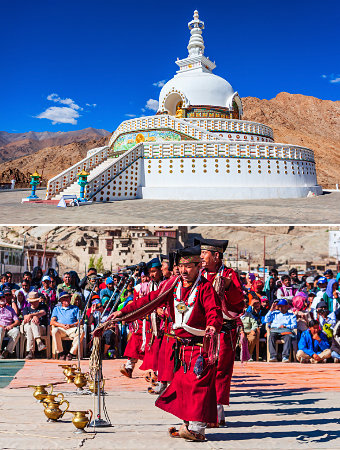
Leh is the natural starting point for most Leh Ladakh tour packages. As Ladakh’s cultural and administrative hub, the city offers a dynamic setting where contemporary art blends seamlessly with historic landmarks. There’s plenty to see and do here.
At the top of the list are the Leh Palace, Namgyal Tsemo Monastery and the Shanti Stupa. From their architecture to the art within them, each site is a must see. Beyond the historic landmarks are cultural spaces like the Central Asian Museum, and the Ladakh Arts and Media Organisation. Fascinating in their own right, these spaces take on added depth during the SA Biennale.
Leh market is perfect for picking up local handicrafts and pashmina. During the biennale, these winding lanes become even more interesting as restored heritage homes and cafes transform into intimate exhibition spaces. When it comes to food, the culinary experience in Leh is as layered as the landscape itself. Handmade momos and thukpa are must-haves. If possible, also make time for a meal at modern, hyper-local restaurants like Tsas Dolkhar.
 Sham Valley
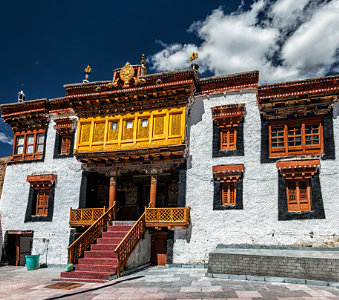
Dotted with ancient monasteries, villages, and fertile fields, Sham Valley is a welcome contrast to Ladakh’s rugged high-altitude landscapes. At the heart of the valley stand three iconic monasteries; the Alchi Monastery, Likir Monastery and Lamayuru Monastery. Each is famed for its spiritual significance and artistic expression. Likir is also renowned as one of the few places where villagers continue to practice traditional Ladakhi pottery.
Smaller villages like Tar and Nurla provide a quieter, more intimate experience of the biennale. The region’s apricot orchards and traditional, self-sustaining settlements form a striking backdrop for community-led initiatives and site-specific artworks.
 Kargil
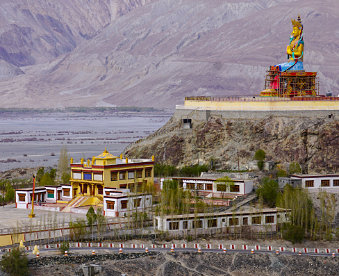
Moving from the Sham Valley to Kargil marks a geographic and cultural transition. Framed by dramatic mountain backdrops, the journey through villages like Heniskot, Mulbekh, and Hunderman unfolds at a slower, more contemplative pace.
At Mulbekh, you’ll see the ancient 8-meter-tall Maitreya Buddha carved into a limestone cliff. This is symbolic not only of early Buddhist art influences but also of Ladakh’s tradition of cultural coexistence. Further along the Suru valley, Hunderman, a former border settlement, offers a poignant glimpse into the past. Together, the landscape and the region’s heritage add depth to the biennale’s artistic narratives.
Frequently Asked Questions
Is August a good time to visit Ladakh?
Yes, August is a good time to visit Leh, Ladakh. The weather is pleasant and most tourist attractions are easily accessible by road.
What kind of clothing will you need in Ladakh?
Dressing in layers is ideal for Ladakh as the evenings can get chilly. A windcheater, cap, sunglasses and comfortable walking shoes are musts.
Is it necessary to acclimatize in Leh-Ladakh?
You must rest and acclimatize in Leh for at least 1 day before visiting higher altitudes. Keeping yourself hydrated, avoiding alcohol and strenuous physical exertion are key to avoiding mountain sickness.
Planning Your Holiday
Planning a trip to Leh around the SA Biennale requires a little more thought than a typical Ladakh itinerary. Regular flights from Delhi, Mumbai and other cities make it easy to get here. Local transportation is another story.
Unlike standard sightseeing circuits, the biennale’s exhibition sites are often at a significant distance from each other. Combined with unpredictable weather and limited infrastructure, this can make travel planning both time-consuming and complex. As a result, Leh Ladakh holiday packages like the Odyssey Ladakh: Monochrome & Monasteries are often the smarter choice.
Designed specifically around the biennale, this small group tour treats the festival not just as an event but as a journey through Ladakh. From curated stays and unique dining experiences to guided tours, every detail is thoughtfully planned. A limited group size also lets you set an easier pace for your journey and encourages more meaningful interactions with your fellow travelers. Along with photographs and souvenirs, you may bring home new friends too.
Want to know more? Connect with us today.